Can Non-Surgical Hair Restoration Prevent Baldness?
Non-surgical hair restoration can’t “cure” male or female pattern hair loss, but it can often slow progression and help many patients maintain thicker, healthier-looking hair—especially when started early. The best approach depends on the cause of your hair loss and how advanced it is.
Below is a practical overview of what non-surgical options can (and can’t) do, and when a surgical option like a hair transplant may be the better long-term solution.
Can Non-Surgical Treatments Stop Baldness Completely?
In most cases, non-surgical options do not permanently stop genetic hair loss. However, they can help by:
- reducing shedding
- supporting miniaturizing follicles
- improving the appearance of thickness
- preserving existing hair
For patients with early thinning, non-surgical treatment can be a great first step. For more advanced loss, it’s often used alongside a long-term surgical plan
Non-Surgical Options That May Help Slow Hair Loss
FDA-Cleared Topical Treatments (e.g., Minoxidil)
Topical minoxidil is widely used to support hair growth and reduce shedding. Consistency matters—results typically require ongoing use.
Prescription Medications (Discuss With Your Physician)
Some patients use prescription medications to address hormonal contributors to hair loss. These medications aren’t right for everyone and should be discussed with a prescribing medical provider.
Low-Level Light Therapy (LLLT)
LLLT uses targeted light energy to support hair follicle activity and scalp health. Many patients like it because it’s non-invasive and can be used at home as part of a maintenance routine. (If you want, you can add one sentence here that you carry Capillus Spectrum on your site, but only if you’re comfortable that this blog post is also a sales touchpoint.)
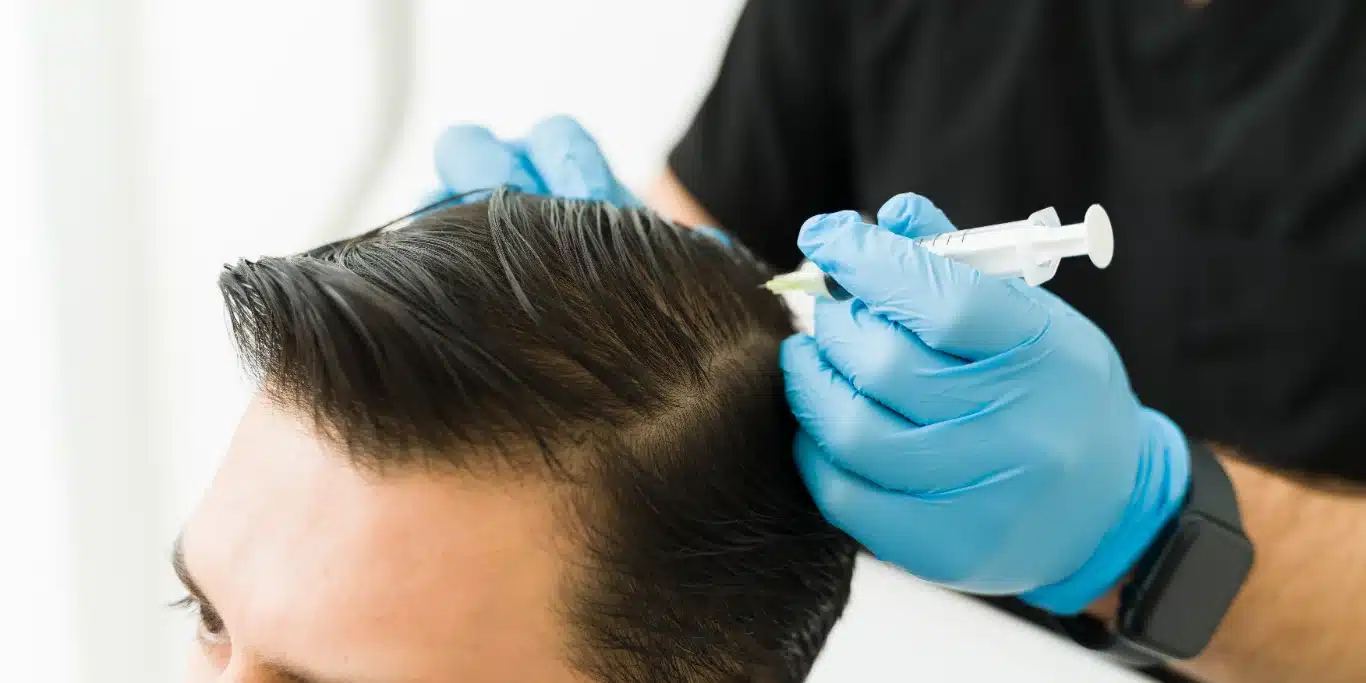
Platelet-Rich Plasma (PRP) Therapy
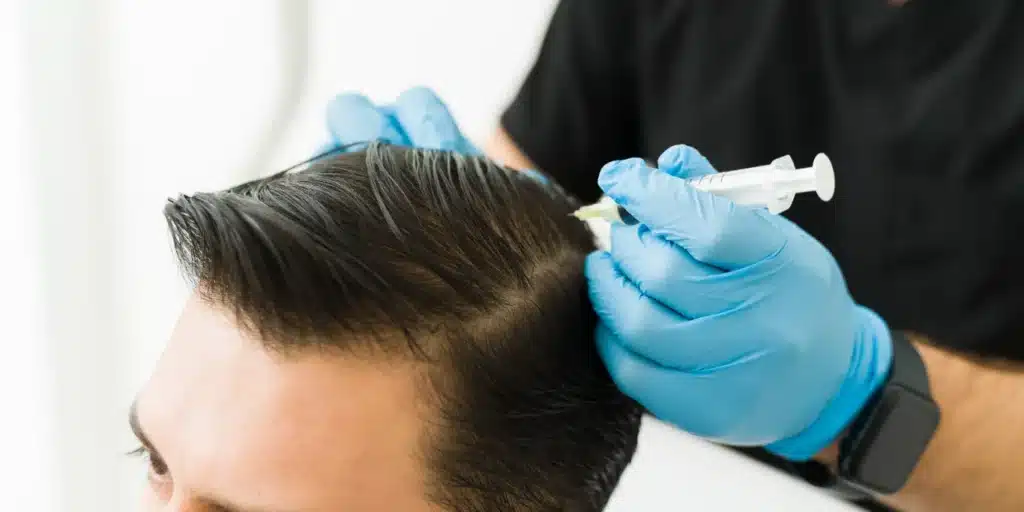
Some patients explore PRP as a supportive option for early thinning. PRP may help improve the appearance of density for certain candidates, but results vary, and it’s not a substitute for surgery when significant coverage is needed.
Nutrition, Stress, and Medical Causes
Hair shedding can also be related to iron/ferritin, thyroid issues, vitamin D deficiency, major stress events, illness, or hormonal shifts. If shedding feels sudden or unusual, a medical evaluation can help identify reversible causes
What to Expect After Non-Surgical Hair Restoration
Most non-surgical options require time and consistency:
- Many patients notice changes in shedding within two to four months
- Visible improvement in thickness often takes 4–6+ months
- Maintenance typically requires continued use
There’s usually minimal downtime, but each treatment type has its own guidelines
Is Non-Surgical Hair Restoration Right for You?
Non-surgical treatments can support existing hair—but they don’t add new hair to bald areas. If you have significant recession or thinning, a hair transplant may be the most direct way to restore coverage.
A consultation helps you determine:
- What is causing your hair loss
- Whether non-surgical options are likely to help
- Whether you are a candidate for FUE, FUT, or a long-term surgical plan
Schedule a Consultation
If you’re noticing thinning or hair loss, we can help you understand what’s happening and what your best options are.
FAQ
-
Can non-surgical hair restoration prevent baldness?
It can often slow progression and help preserve existing hair, especially early. It typically does not permanently stop genetic hair loss. -
Do I have to choose non-surgical or transplant?
Not necessarily. Many patients use non-surgical options to maintain native hair while planning
surgical restoration for coverage. -
How long do I need to stay on non-surgical treatment?
Most options require ongoing use to maintain results.