Failed Hair Transplant: Causes, Signs, and Repair Options

Hair transplants have come a long way, with success rates exceeding 90% when performed by experienced surgeons. But failures still happen, and the results can be frustrating, embarrassing, and costly. The good news: a failed transplant doesn’t have to be permanent. Repair options exist and often produce excellent results when performed by a skilled surgeon. The team at St. Louis Hair Restoration helps patients understand what went wrong and what comes next after a disappointing hair transplant experience.
What Counts as a Failed Hair Transplant?
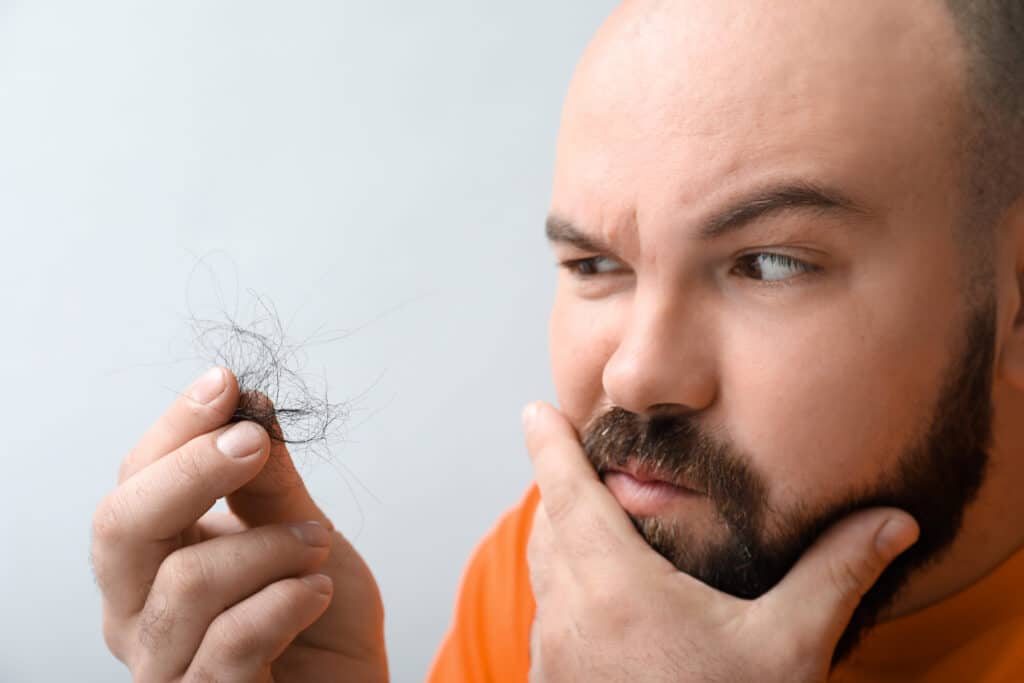
A “failed” hair transplant doesn’t always mean total loss. It usually refers to results that fall short of reasonable expectations, including poor graft survival, sparse growth, an unnatural appearance, or visible scarring.
Keep in mind that transplanted hairs typically shed within two to four weeks after surgery, then regrow over the following months. Final results take 12 to 18 months. Judging your transplant before that point sets you up for unnecessary worry. A true failed hair transplant is one where, after a full year, the growth, density, or aesthetic outcome is clearly below what should have been achieved.
Common Causes of a Failed Hair Transplant
Several factors contribute to a poor outcome. The most common include:
- • An inexperienced or poorly trained surgeon performing the procedure
- • Incorrect graft placement, angle, or spacing that creates an unnatural look
- • Follicle damage during extraction or implantation, lowering survival rates
- • Poor candidate selection, especially patients with active or rapidly progressing hair loss
- • Inadequate aftercare, such as touching the grafts, smoking, or skipping medications
- • Underlying health conditions, like uncontrolled diabetes, that impair healing
- • Cheap, high-volume “hair transplant tourism” procedures rushed by undertrained technicians
A botched hair transplant often stems from one or more of these issues. Choosing an experienced, board-recognized surgeon dramatically reduces your risk.
Signs Your Hair Transplant May Have Failed
After the 12-month mark, watch for these signs:
- • Patchy, sparse, or thin growth in the transplanted areas
- • An unnatural hairline that looks too straight, too low, or “pluggy”
- • Visible scarring, whether a linear FUT scar or pitted FUE marks
- • Hair growing at the wrong angle or in the wrong direction
- • Density that’s noticeably lower than discussed during your consultation
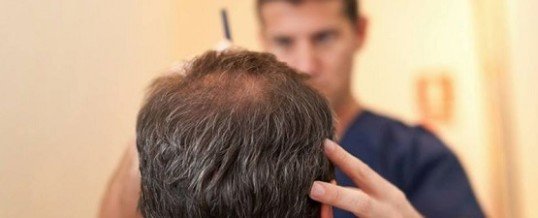
If you’re seeing one or more of these signs of a failed hair transplant, schedule a consultation with a revision specialist. Photos, your original treatment records, and a detailed timeline help your new surgeon plan the best repair approach.
Repair Options for a Failed Hair Transplant
Most failed transplants are correctable. Modern techniques offer several solid options:
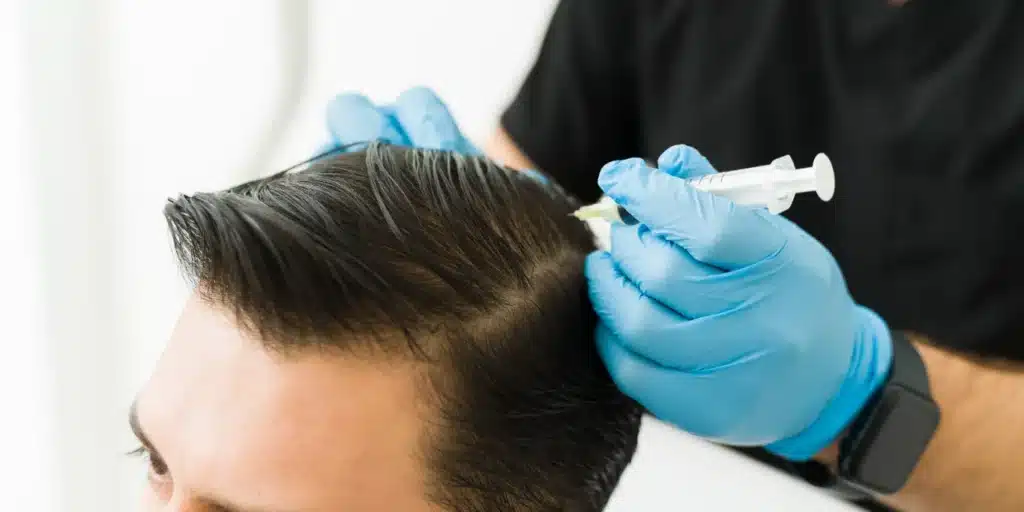
- • FUE repair, which involves extracting poorly placed or oversized grafts and redistributing them with proper angle and density
- • Adding new grafts to fill in patchy areas and improve overall density
- • Scalp micropigmentation to camouflage visible scarring or thin spots without surgery
- • Laser scar revision to reduce the appearance of linear FUT scars
- • Continued medical therapy with minoxidil or finasteride to slow further hair loss and support transplanted hair
A successful failed hair transplant repair starts with finding a surgeon experienced specifically in revision work. Repair cases are more complex than primary transplants, and donor hair is a finite resource that must be carefully managed.
How to Prevent a Failed Hair Transplant
Prevention starts long before surgery. Use this checklist when researching providers:
- • Verify the surgeon’s credentials, training, and experience with your specific technique
- • Review their before-and-after gallery for results similar to your case
- • Read patient reviews on independent platforms
- • Avoid extremely low-cost overseas procedures that pack multiple patients into a single day
- • Be honest about your medical history, medications, and lifestyle
- • Follow all pre- and post-op instructions carefully
- • Set realistic expectations during your consultation
A trustworthy hair transplant surgeon in St. Louis will be transparent about candidacy, expected outcomes, and limitations.
Schedule Your Consultation
A failed hair transplant isn’t the end of your hair restoration journey. With the right repair plan and a skilled surgeon, you can still achieve a natural, full-looking result. The team at St. Louis Hair Restoration specializes in helping patients evaluate previous procedures and explore the best path forward.
Call (314) 698-2038 or visit our office for a consultation with our experts.