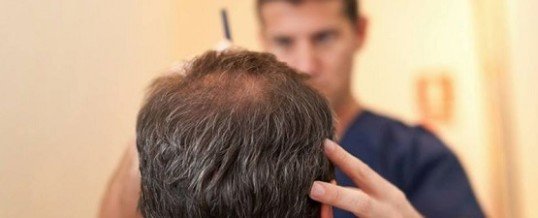
Hybrid Hair Transplant in St. Louis: When Combining FUE and FUT Makes Sense
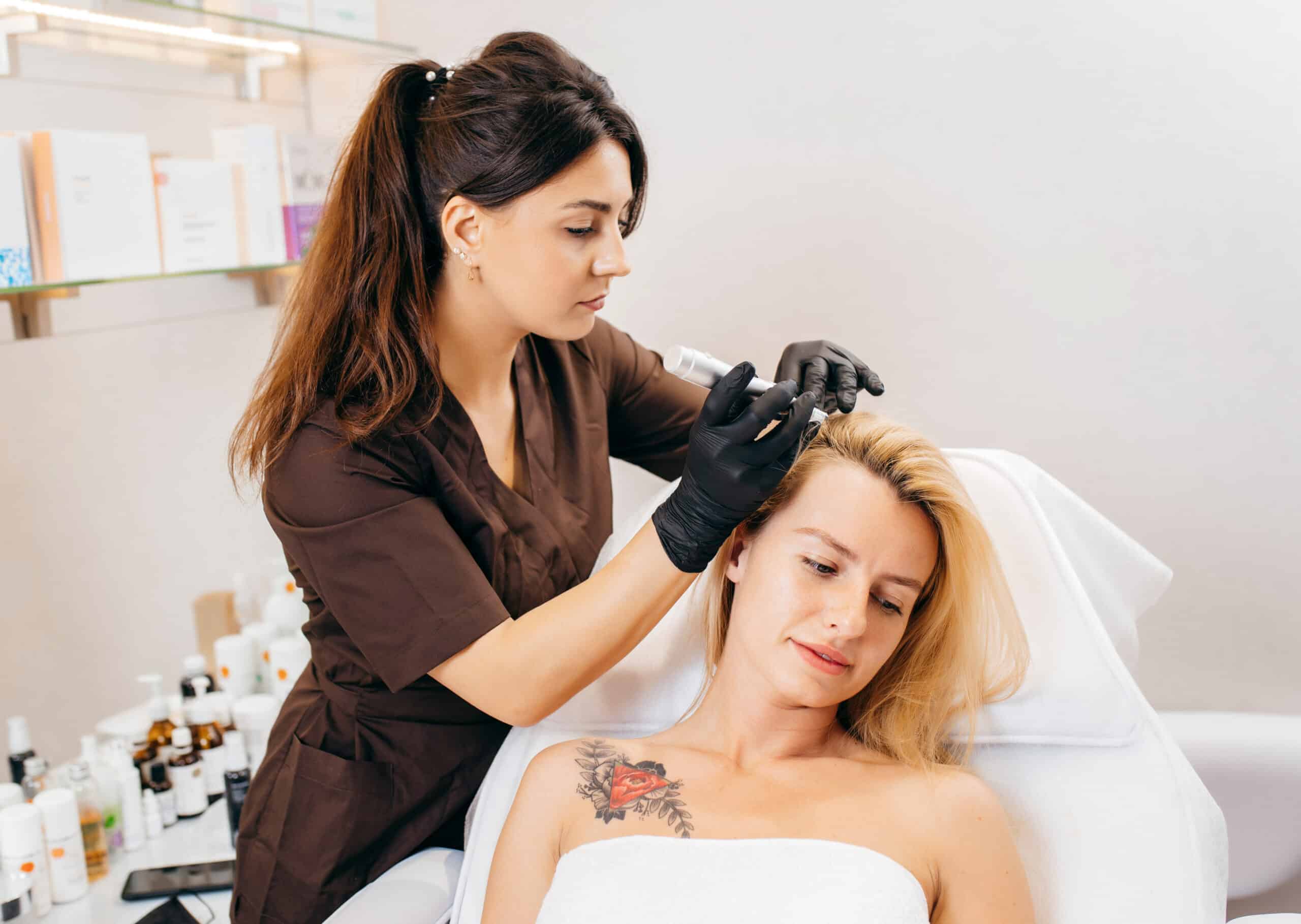
Most patients researching hair restoration expect to choose between two options: FUE (Follicular Unit Extraction) or FUT (Follicular Unit Transplantation). Fewer realize a third path exists. A hybrid hair transplant combines both methods in one coordinated plan, and for the right patient, it changes what’s possible in a single round of treatment.
Why One Method Isn’t Always Enough
FUE works well for patients who need moderate coverage and want to avoid a linear scar. FUT works well for patients who need a high graft count in one session. But hair loss doesn’t always fit neatly into either category.
A patient with advanced thinning across the front, mid-scalp, and crown may need more grafts than a single FUE session can safely extract in one sitting. That same patient may also want more coverage than a standard FUT session provides on its own. This is the gap a hybrid hair transplant is built to close.
How a Hybrid Hair Transplant Actually Works
Instead of picking one donor method, a hybrid hair transplant uses both, typically across two consecutive days. One day is dedicated to FUE extraction. The other covers FUT strip harvesting. The order can shift depending on the patient’s plan.
Splitting donor harvesting this way does two things. It raises the total graft count available for placement, and it spreads the physical demand on the donor area across two techniques rather than pushing one method to its limit.
Is Hybrid Better Than FUE or FUT Alone?
Not automatically. Plenty of patients get excellent results from FUE by itself, and FUT remains a strong choice for high-yield single-session cases. Hybrid treatment earns its place specifically when the numbers don’t add up any other way, when a patient’s hair loss pattern calls for more grafts than one method can responsibly deliver.
This is why hybrid treatment tends to come up most often for moderate to advanced hair loss, rather than smaller, single-area cases.
What Recovery Looks Like With Two Donor Methods
Combining two donor techniques means recovery covers a slightly wider area than a single-method procedure, though the timeline follows a familiar pattern. Mild swelling and scabbing are common in the first week. Shedding of the newly transplanted hair shortly afterward is expected and temporary.
Growth typically begins around three to four months, with the fuller result becoming visible between six and twelve months.
Does Hybrid Treatment Leave a Scar?
The FUT portion leaves a thin linear scar, usually hidden by surrounding hair once it grows in. The FUE portion leaves small, scattered marks that are rarely noticeable. Neither typically limits how patients wear their hair afterward.
Will One Hybrid Session Be Enough?
For many patients, yes. But hair loss can continue to progress after treatment, and some patients choose a second procedure years later to address new thinning. Whether that applies to you depends on your hair loss pattern and how much donor supply remains after the first round.
Deciding If Hybrid Treatment Fits Your Situation
A hybrid hair transplant isn’t a default recommendation. It’s a strategic option for patients whose goals genuinely call for it. During a consultation, a surgeon reviews donor density, hair loss pattern, and long-term goals before recommending FUE, FUT, or a hybrid approach. At St. Louis Hair Restoration, that conversation happens directly with Gregg Kreyling, the practice’s founder and a hair transplant patient himself, alongside Dr. Christopher Pawlinga’s surgical team.
If a hybrid hair transplant sounds like it might match your goals, schedule a free consultation or call 314-698-2038 to talk through what’s realistic for your hair loss pattern and donor supply.